Septic Care Before Storm Season Hits the Coast
Heavy rain doesn't hurt a healthy septic system the way most people assume, but timing still matters.
August 26, 2026 · 4 min read
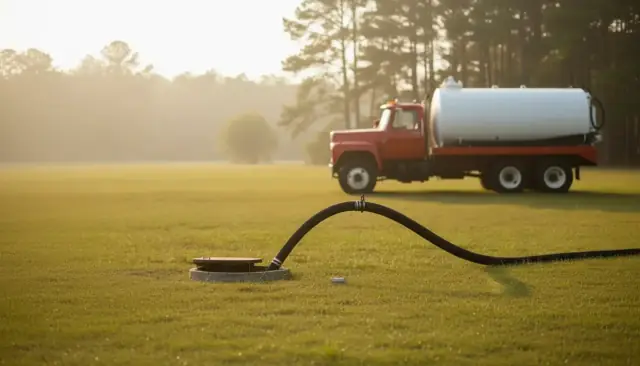
Living on the Mississippi Gulf Coast means living with a storm season that isn't optional, and a septic system doesn't get a pass just because the rest of the house is boarded up and ready. The good news is a well-maintained system handles a storm better than most homeowners expect. The part that actually causes trouble is usually timing, not the rain itself.
What saturated ground actually does
A drain field works by letting treated wastewater soak into the soil around it. When that soil is already saturated from days of heavy rain, or from a storm surge pushing groundwater up from below, there's simply less room for anything more to soak in. The field doesn't stop working the moment it rains, but its capacity shrinks, and a system that was already running close to its limit is a lot more likely to back up during a wet stretch than one with some room to spare.
Do the boring maintenance before the season starts
Storm prep for a septic system isn't a special routine, it's the ordinary maintenance done on time and not put off. A system that's overdue for pumping in June is carrying less margin all the way through hurricane season than one that got checked in spring. There's nothing dramatic to do the week a storm is forecast, the useful work happens months earlier, which is exactly why it's easy to skip.
Cut back on water use while the ground is soaked
This is the easiest and most overlooked thing a household can do. During and right after heavy rain, ease up on laundry, long showers and running the dishwasher more than once a day. It's not forever, just a few days while the ground has a chance to absorb some of what's already come down. Less water going into a system that's already fighting saturated soil means less pressure on a field that has nowhere to send the overflow.
Why pumping at the wrong moment can float a tank
This one surprises people. It seems logical that pumping a tank right before or during a storm would help, emptying it out to make room. In practice it can do the opposite. An empty tank is lighter than the soil and groundwater around it, and in ground that's already saturated or flooded, that difference in weight can actually cause a tank to shift or float in its hole, which is a far bigger and more expensive problem than a full tank ever was. If a pump-out is due, the better window is before the wet season ramps up, or once the ground has had real time to dry out afterward, not in the middle of the event itself.
After the storm passes
Once the rain clears, give the yard a look before assuming everything's fine. Standing water that lingers specifically over the drain field longer than the rest of the yard, a smell that wasn't there before, or drains that are suddenly slower than usual are all worth a call rather than a wait-and-see. Ground that stays saturated for days after a storm keeps the field's capacity reduced the whole time, so problems that show up a week later are often storm-related even if the storm itself is old news by then.
If a storm brings real flooding rather than just heavy rain, ease off the drains and toilets while water is standing over or near the field, the same way you would cut back use during ordinary saturation, just more so. It's not that using the bathroom during a flood breaks anything on its own, it's that a system with no spare capacity anywhere in the yard needs every bit of slack a household can give it until the water has somewhere to go again.
- Cut back household water use during and just after heavy rain
- Don't schedule a pump-out in the middle of a storm or flood event
- Check for standing water specifically over the field once it clears
- Watch for slower drains or new smells in the days after a storm, not just during it
A system that's already in good shape going into storm season is far less likely to give you trouble than one that was already borderline. If you're not sure which one describes your system, that's worth a look before the next front rolls in, not after. Gulf Coast Septic has been family owned and operated on the coast for more than forty years, licensed, bonded and insured, with free estimates and the phone answered 24 hours Monday through Friday and Saturday 8:00 AM to 5:00 PM. Call (228) 872-4449.
Gulf Coast Septic, (228) 872-4449
Call (228) 872-4449More articles
How Often Does a Septic Tank Actually Need Pumping on the Gulf Coast?
The three-to-five-year rule is a decent starting point, but what's happening inside your house changes the real number.
The Signs a Septic System Is Starting to Fail, in the Order You'll Actually Notice Them
Failure rarely arrives all at once. It shows up in stages, and knowing the order can save you the worst one.